
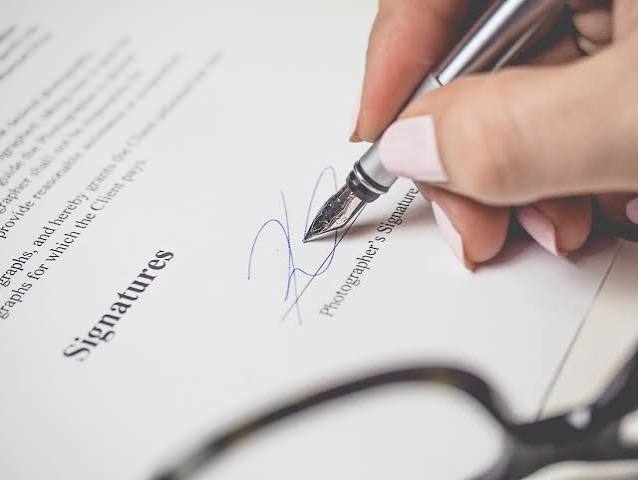
Notarization and attestation are often treated as if they mean the same thing, but they are two separate steps with two different purposes. Notarization confirms that a signature, a document, or a copy of a document is genuine, usually in one visit to a notary public. Attestation is the longer chain of government and embassy stamps that follows, confirming that the notary’s own seal and signature are genuine so a foreign authority will accept the document. Most documents being used outside the country where they were signed go through both steps, in that order.
What Is Notarization?
Notarization is carried out by a notary public, who verifies the identity of the person signing a document, witnesses the signature, or certifies that a copy matches an original. It does not involve any foreign government or embassy — it is a local, one-step service.
In the UAE, notarization is organized by emirate:
- Dubai: the Dubai Courts Notary Public (in person, or online through the Dubai Courts portal using UAE Pass) or a Dubai-licensed private notary — see our notary attestation in Dubai page.
- Abu Dhabi: the Abu Dhabi Judicial Department (ADJD), available through TAMM Abu Dhabi or the ADJD app — see notary & MOJ attestation in Abu Dhabi.
- Sharjah, Ajman, Fujairah and Umm Al Quwain: the federal Ministry of Justice, including its online E-Notary system.
Documents commonly notarized include powers of attorney, affidavits and wills, commercial agreements, and certified true copies of personal documents.
What Is Attestation?
Attestation is the multi-step process of getting a document officially recognized for use in a country other than the one that issued it. For a document issued outside the UAE that will be used here, the usual order is:
- Notarization or authentication in the issuing country
- Attestation by that country’s own Ministry of Foreign Affairs (or an apostille, where both countries are members of the Hague Apostille Convention)
- Legalization by the UAE Embassy or Consulate in that country
- A final attestation by the UAE Ministry of Foreign Affairs (MOFA) once the document reaches the UAE
For a UAE-issued document that needs to be used abroad, the order runs the other way: the issuing UAE authority, then UAE MOFA attestation, then legalization by the destination country’s embassy or consulate in the UAE, where required. For the full picture, read What Is Certificate Attestation?
Notarization vs. Attestation: The Key Differences
| Notarization | Attestation | |
|---|---|---|
| Who does it | A notary public | Government ministries and embassies |
| What it confirms | A signature, identity, or copy is genuine | That the notary’s seal, or the issuing authority’s seal, is genuine — so a foreign government will accept it |
| Where it happens | One office, usually in the country of issue | Several authorities, often across two countries |
| Number of steps | One | Several, in a fixed order |
| Why you need it | Local legal recognition of a signature or copy | International recognition by a foreign government |
Does a Notarized Document Still Need Attestation?
In most cases, yes. A notarized document on its own is not recognized by a foreign government — it only confirms that the signature or copy is genuine within the country where it was notarized. If that document needs to be used in another country, it will usually still need to go through that destination country’s attestation steps, in the correct order. This is why notarization is described as the first step of attestation rather than a replacement for it.
Do All Documents Need Both Notarization and Attestation?
No. Government-issued certificates — such as birth, marriage, death, and degree certificates — already carry the original issuing authority’s own seal, so they generally go straight into the attestation chain without a separate notarization step.
Documents a person signs themselves usually need notarization first, since there is no issuing government authority to attest directly. This includes general and special powers of attorney, and affidavits, declarations and wills. A certified true copy of a personal document, such as a passport, is also a form of notarization.
Notarization, Attestation and Apostille: How the Three Fit Together
An apostille is a single certificate that can replace the embassy-legalization and destination-country attestation steps, but only between two countries that are both members of the 1961 Hague Apostille Convention. The UAE is not a member, so an apostille from a member country does not shorten or replace the UAE attestation steps — the document still needs UAE Embassy legalization, where applicable, and UAE MOFA attestation. For the full comparison, see Attestation vs. Apostille: What’s the Difference?
How Attest Dubai Helps
Whether your document needs notarization, the full attestation chain, or both, we manage every step on your behalf — from the first notary signature to the final UAE MOFA stamp — for documents from 140+ countries, without you needing to travel.
Send us a photo of your document on WhatsApp and we will confirm exactly which steps it needs and what it will cost before you commit.
Frequently Asked Questions
Is attestation the same as notarization?
No. Notarization is usually just the first step — a notary public confirms that a document, signature, or copy is genuine. Attestation is the full, multi-step process that follows, including home-country authentication, embassy legalization, and UAE MOFA attestation.
Do I need to notarize a document before it can be attested?
It depends on the document. Government-issued certificates, such as birth, marriage, and degree certificates, usually go straight into the attestation chain. Documents you sign yourself, such as a power of attorney, affidavit, or will, usually need notarization first.
Where can I get a document notarized in the UAE?
In Dubai, through the Dubai Courts Notary Public or a Dubai-licensed private notary. In Abu Dhabi, through the Abu Dhabi Judicial Department (ADJD) via TAMM or the ADJD app. In Sharjah, Ajman, Fujairah and Umm Al Quwain, through the federal Ministry of Justice, including its online E-Notary system.
Can a notary public in the UAE attest my document for use abroad?
No. A notary public only notarizes a document — confirming a signature or copy is genuine. Attestation for use abroad still requires UAE MOFA attestation and, where applicable, legalization by the destination country’s embassy or consulate.
Is an apostille the same as attestation?
No. An apostille is a single-certificate shortcut used between two countries that are both members of the Hague Apostille Convention. The UAE is not a member, so documents for UAE use need full attestation rather than an apostille.
How long does notarization plus attestation take?
It depends on the document type, the country of issue, and which authorities are involved — there is no single published timeline that covers every case. We confirm an estimated timeline once we see your document.
Sources & last reviewed: UAE notarization structure (Dubai Courts, the Abu Dhabi Judicial Department, and the federal Ministry of Justice’s E-Notary system for Sharjah, Ajman, Fujairah and Umm Al Quwain) and the UAE attestation chain, as verified in our existing guides on notary attestation, notary & MOJ attestation in Abu Dhabi, and certificate attestation. Last reviewed 19 November 2026.
Need Notarization, Attestation, or Both?
Send us your document and we will confirm the exact steps, give you a free quote, and arrange free pickup anywhere in the UAE.